
By Erica Bishop
The Lower American River is constantly changing. Each year brings different flows, temperatures, and conditions that influence how Chinook salmon and steelhead use the river. As climate change creates more extreme swings between wet and dry years, developing a deeper understanding of the river has become increasingly important for protecting the ecosystem, supporting regional water supply reliability, and adapting to future conditions.
For more than 20 years, the Water Forum and its partners have invested in science, monitoring, and habitat enhancement to understand how the river functions and how salmon and steelhead respond to changing conditions. Today, scientists map spawning areas, count redds, monitor juvenile fish, analyze genetics, study fish ear bones (otoliths), and more, all to track how habitat evolves over time and better understand the needs of the fish.
That knowledge is now shaping the future of the Lower American River. As part of Water Forum 2050 implementation, decades of monitoring and research are guiding the next generation of habitat enhancement — including work now underway to identify and design up to 10 new habitat program sites that could provide approximately 30 acres of enhanced rearing habitat for young salmon and steelhead who are at times challenged to find adequate access.
The Water Forum’s approach is built on a cycle of learning: study the river, enhance habitat, monitor the results, and apply that knowledge to future decisions.
As we look ahead, the same questions that have guided nearly two decades of science and habitat enhancement remain central: Where are fish using the river? How is the habitat changing? How are fish responding? And how can this information guide future habitat enhancement?
Here are some of the ways we’re continuing to learn from the river by using proven methods and new data and tools:
Understanding How Fish Use the River
Monitoring helps scientists understand how salmon and steelhead use the Lower American River during critical stages of their life cycle—from spawning adults returning from the ocean to young fish preparing for their journey downriver.
Over the years, the Water Forum and its partners have used on-the-ground assessments, corridor-wide aerial surveys, snorkel surveys, and genetic studies to evaluate habitat conditions and fish response.
Redd surveys document where salmon and steelhead spawn and the conditions they select, such as water depth, gravel size, and other habitat characteristics. Monitoring of enhanced habitat areas has documented increased spawning activity at project sites following project completion, helping scientists evaluate project performance and apply lessons learned to future designs.
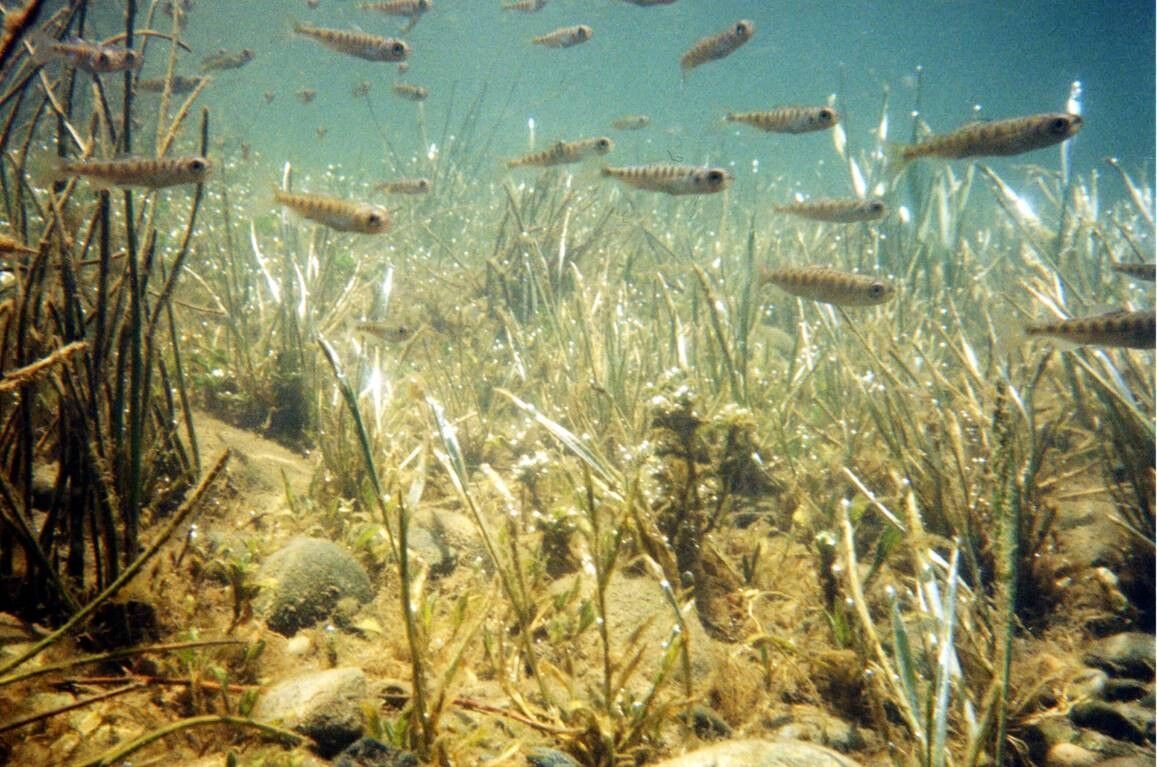
Juvenile monitoring provides another important perspective. Snorkel survey observations in side channels and floodplain areas help scientists understand how young fish use these habitats as river conditions (such as flow) change, providing information that helps refine future project designs.
Genetic parentage studies are helping answer a more complex question: how different habitats contribute to juvenile production. By analyzing tissue samples collected from adult salmon and juveniles later in the season, researchers can connect young salmon back to spawning adults, determine where juveniles originated, and better understand how different areas of the river contribute to the next generation.
Tracking How the River Changes
The river itself is constantly changing as flows move gravel, reshape channels, and influence habitat conditions.
The Water Forum and its partners use technologies including LiDAR, SONAR, and detailed field surveys to map river conditions and track physical changes over time. Recent research mapped sediment throughout the Lower American River using underwater imaging and acoustic technologies to understand the current distribution of sediment size along the river bed.
These studies are especially important in a regulated river where dams and other modifications have changed natural sediment movement. The results help inform where future projects are located, how they are designed, and when existing habitat areas may need maintenance.
Learning From the Fish
Scientists are also using emerging tools to better understand the life history of individual fish.
One example is otolith research. These tiny bones in a fish’s inner ear create a record of a fish’s life—helping researchers understand where it lived, how quickly it grew, and the conditions it experienced.
The Water Forum consultant team has collected more than 1,000 otolith samples from Chinook salmon returning to the Lower American River. Recently completed analysis is helping researchers better understand juvenile rearing patterns, environmental conditions, and factors that influence survival. Publishing this research in peer-reviewed journals helps to advance the state of the science and fosters collaboration with other scientists.
The Water Forum has also used environmental DNA, or eDNA, to monitor fish during challenging conditions. By analyzing water samples, scientists can detect genetic material left behind by fish and determine which species are present. During the severe drought conditions of 2021, this approach helped researchers understand where salmon and steelhead were present while limiting additional stress on fish.
Applying Science to Habitat Enhancement
Since 2008, the Water Forum, working with its partners, has completed 14 habitat enhancement projects at eight sites spanning approximately 10 miles of the Lower American River. Together, these projects have constructed and maintained more than 30 acres of spawning habitat, created two miles of side channels, and enhanced more than 20 acres of seasonal rearing habitat. The work includes adding clean spawning gravel, installing large woody material that creates sheltered areas for young fish, and establishing native vegetation to support riverbank stability and provide shade.
These projects address changes in the Lower American River system, where dams and other modifications have limited access to historical habitat and altered natural processes—such as sediment movement. By adding gravel and creating slower-moving side channels, habitat enhancement projects provide places where adult salmon and steelhead can spawn and where young fish can rest, feed, and grow before migrating to the ocean.
Together, these projects create a network of enhanced habitat areas throughout the river corridor, providing salmon and steelhead access to different types of habitat under a range of river conditions.
Because the Lower American River is a dynamic system, habitat conditions continue to change after projects are completed. Project designs are informed by years of data about how the river responds under different conditions, from very dry years to high-flow events. Monitoring helps scientists evaluate how fish respond, understand how habitat evolves, and identify when sites may benefit from additional gravel placement, side-channel improvements, or other adjustments that maximize conditions for fish even with our altered hydrology.
Building on Two Decades of Knowledge
This long-term effort has been possible through sustained investment and collaboration of the Water Forum members and local, state, and federal partners, including the U.S. Bureau of Reclamation, U.S. Fish and Wildlife Service, California Natural Resources Agency, Wildlife Conservation Board, California Department of Fish and Wildlife, Sacramento County Regional Parks, and many others.
Research findings are shared through scientific conferences and peer-reviewed publications, helping advance understanding of salmonid habitat enhancement and river management throughout California.
As climate change continues to influence hydrology, water temperatures, and river conditions, long-term science and monitoring will become even more important. Through Water Forum 2050, the Water Forum and its partners will build on decades of research and collaboration to guide future habitat enhancement, support adaptive management, and protect the Lower American River for the fish, wildlife, and communities that depend on it.
Erica Bishop is the Water Forum’s Program Manager for Habitat + Science.